
The words designer, architect, builder, and contractor are not interchangeable. Their services can overlap, but their responsibilities and legal authority depend on the project and jurisdiction. Understanding the difference helps an owner commission the right work.

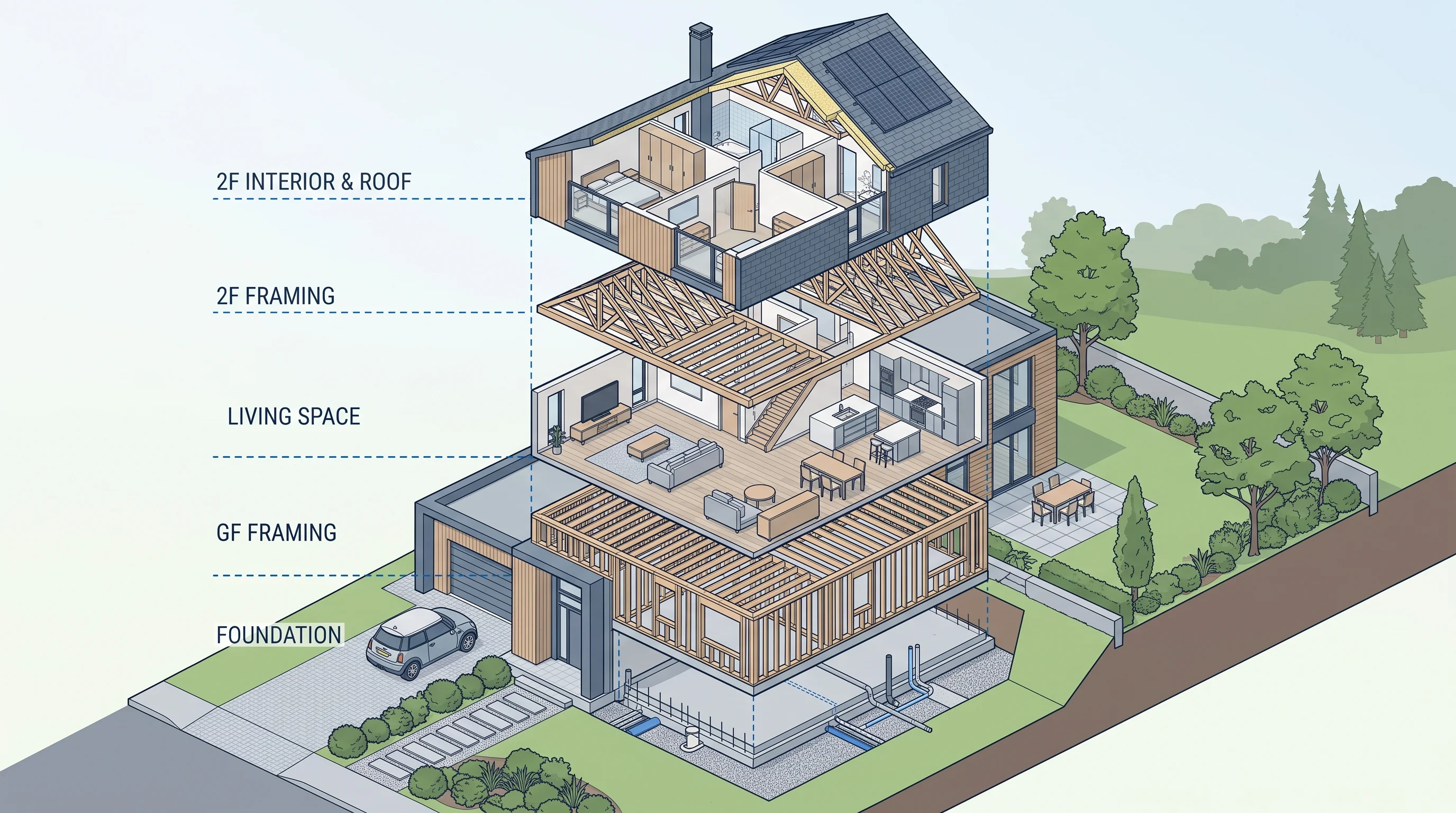
Role comparison
| Professional | Main focus | Common deliverables |
|---|---|---|
| Architect | Building design and coordination | Plans, elevations, sections, specifications, permit documents |
| Building designer | Residential design and drafting | Layouts, drawings, selected permit documents |
| Interior designer | Interior function, finishes, and furnishings | Finish schedules, space plans, selections |
| Structural engineer | Structural safety and calculations | Structural drawings and calculations |
| General contractor | Construction delivery | Schedule, trade coordination, procurement, site management |
| Design-build firm | Combined design and construction | One integrated proposal and delivery process |
Where confusion starts
An interior designer may improve a kitchen layout without designing the structure. A building designer may prepare residential drawings but may not have the same license or scope as an architect. A structural engineer addresses load paths and safety. A contractor turns the approved scope into built work. One project may need several of these professionals.
Traditional delivery versus design-build
Traditional delivery uses separate design and construction agreements. The architect develops the documents and the contractor prices and builds them. Design-build places both services under one firm. It can reduce handoffs and bring construction feedback earlier. It also requires a careful review of the firm’s internal responsibilities and the owner’s rights.
How to choose
Choose an architect when the project has complex planning, a difficult site, significant structural change, or a need for full design coordination. Choose an interior designer when the building shell is settled and the main decisions concern finishes, furniture, lighting, or interior function. Choose a contractor when the scope is defined and construction delivery is the priority. Choose design-build when one accountable team fits the project and contract.
FAQ
Is an architect the same as a building designer?
No. The titles and permitted services vary by jurisdiction. Check the local licensing board and the professional’s actual scope.
Does a contractor replace an architect?
Usually not for complex design or regulated work. The answer depends on local rules and the contractor’s design arrangement.
Do I need a civil engineer too?
Site work may require civil engineering for grading, drainage, utilities, or stormwater. The architect can help coordinate the consultant team.
Related Architect guidance: architect or contractor first and how much do architectural plans cost.
