Home Search

Cybersecurity

Threat intelligence, vulnerability research, and enterprise security practices.

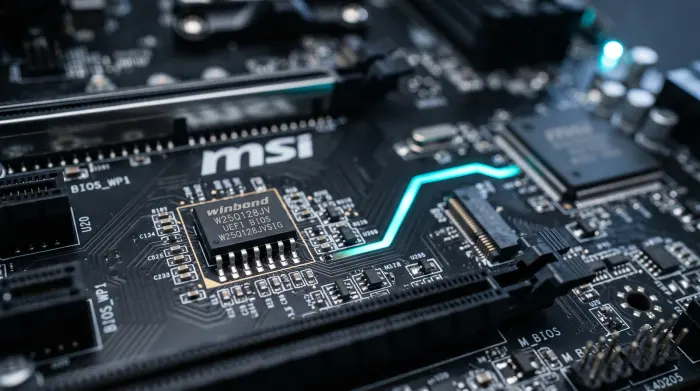
Motherboard UEFI firmware chip

What Is Secure Boot? How It Works and When to Leave It Alone

Secure Boot is a UEFI firmware feature that refuses to run boot code without a valid cryptographic signature — a defence against bootkits, which load before the operating system and therefore before any antivirus exists. It is also the reason an increasing number of games and Windows features refuse to run on your PC.
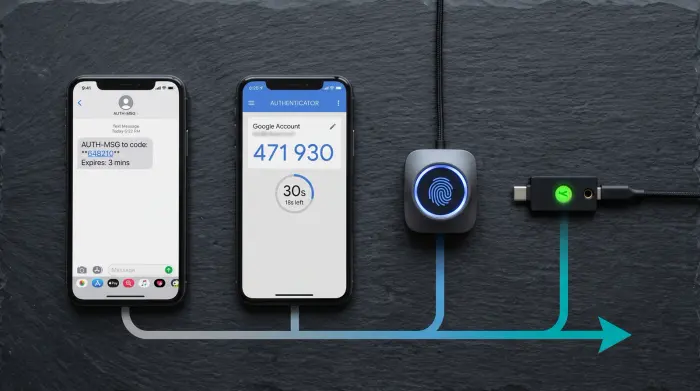

Four authentication methods ranked

What Is 2FA? The Methods Ranked From Weakest to Strongest

Two-factor authentication requires a second proof of identity beyond your password. But the methods are not equivalent — SMS codes, authenticator apps, push prompts and hardware keys sit on a steep security gradient, and only one of them actually stops phishing. Here is the ranking and the reasoning.

zero-day vulnerability timeline

What Is a Zero-Day Vulnerability?

A zero-day is a security flaw the software maker does not yet know about — which means no patch exists. Here is how they are actually discovered, sold, and used, and why the "zero" refers to time, not danger level.