A release date used to be a promise. Now it's a strategic variable that studios move the way airlines reprice seats — and the reasons usually have less to do with the movie itself than with the machinery around it. Five forces explain almost every delay you've noticed, and one persistent myth needs correcting along the way: a pushed date is not evidence of a bad film.
Force 1: The Global VFX Bottleneck
Modern tentpole films routinely require 2,000–3,000 visual effects shots, which makes post-production longer than the shoot itself. That work flows through a 24/7 global pipeline — a shot filmed in Los Angeles may be composited in London, rendered in Mumbai, and reviewed in Sydney within the same day.
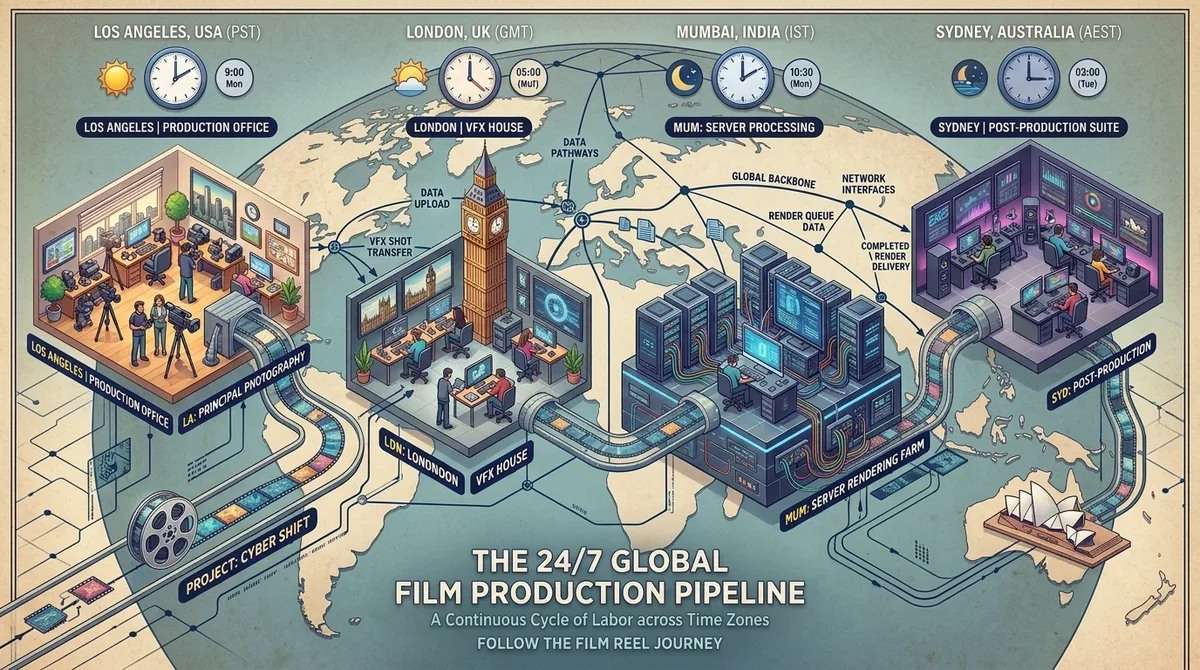
That pipeline has been running above capacity since the 2023 production shutdowns. Industry workforce data shows the global VFX sector grew a net of only about 1% across a recent 12-month stretch — a sharp hiring surge followed by an equally sharp contraction, including the closure of legacy London houses in early 2024. When every delayed production restarted at once, there simply weren't enough artists to absorb the surge, and the backlog is still rippling through the 2025–2026 slate. Animation adds its own version of the problem: on the Spider-Verse films, animators have publicly described a process where fully rendered scenes were repeatedly thrown out and redone — a key reason the third film slid years past its original March 2024 date, toward mid-2027.
Force 2: The Tax Write-Off (When a Delay Becomes a Disappearance)
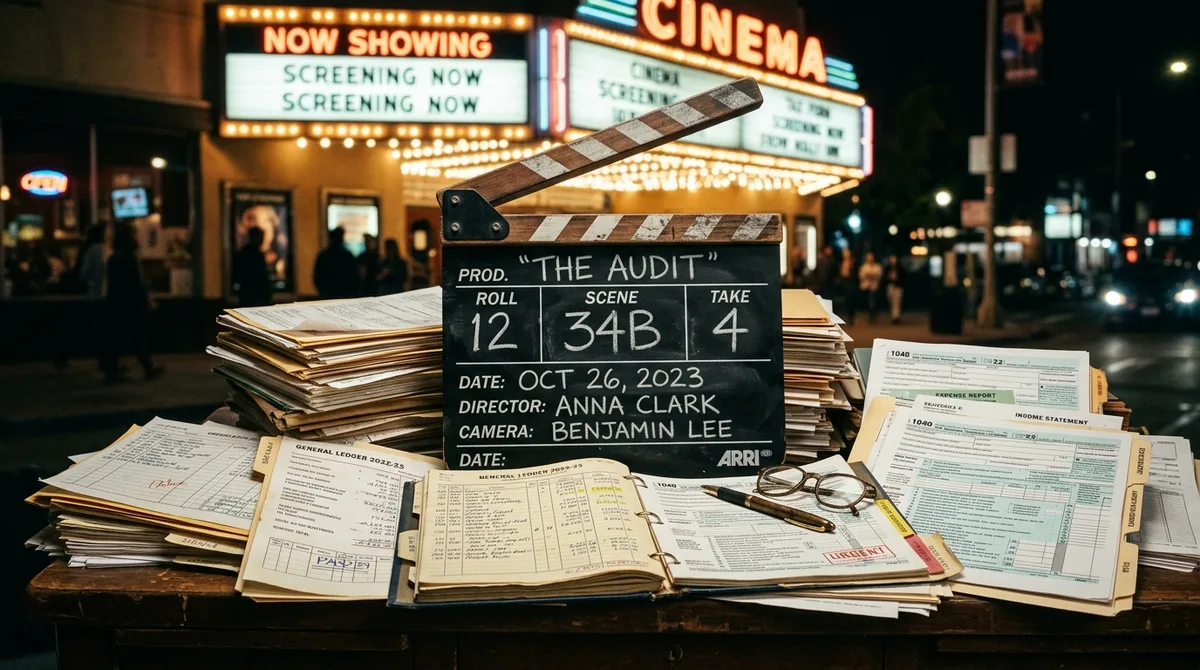
The most controversial force is accounting. After a merger, new studio leadership evaluates inherited projects on a strictly financial basis — and sometimes concludes that never releasing a finished film is worth more than releasing it. By permanently shelving a completed movie, a studio can write down the entire production cost as a tax loss rather than spending tens of millions more on marketing. Warner Bros. Discovery's shelving of the completed $90 million Batgirl is the defining example. Coyote vs. Acme nearly met the same fate — and the community reaction was severe enough that, after months of backlash, the film was ultimately sold to an independent distributor rather than deleted. Industry observers noted a cynical wrinkle in that saga: executives may fear a shelved film becoming a hit for a rival more than they fear the write-off itself.
Force 3: The Collapse of the Theatrical Window
For decades, the "90-day window" — theatrical exclusivity before home viewing — was the industry standard. It has effectively ended.
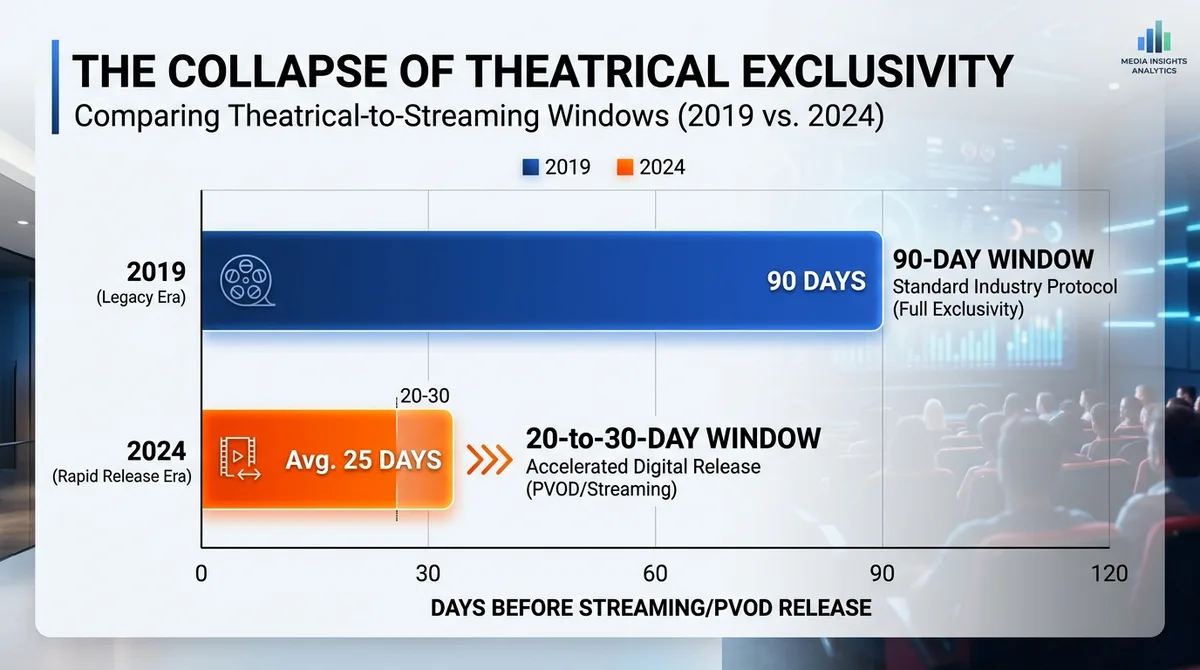
Average theatrical-to-digital windows have compressed to roughly a month, with wide variation by studio strategy: Sony still holds films back 120+ days, Disney floats around 30–45, and NBCUniversal has pushed some releases to digital in as little as 20 days. This changes what a release date is: for studios that own streaming platforms, the theatrical run increasingly functions as a marketing campaign for the streaming debut. A film that underperforms its first two weekends can pivot to premium video-on-demand almost immediately — and a film that needs a cleaner runway will simply move rather than fight for screens.
Force 4: The Strike Ripple Effect
The 2023 WGA and SAG-AFTRA strikes had two distinct impacts. The immediate one: actors couldn't promote films, so studios pushed nearly every major late-2023 release rather than launch without press tours. The longer one is the "18-month ripple" — months of halted production meant a thin pipeline for 2025, quiet stretches in the theatrical calendar, and renewed pressure (amplified by higher borrowing costs) to trim budgets or cancel paused projects outright rather than restart them.
Force 5: The Calendar Is Local, Even for Global Movies
Even a finished, marketed film shifts dates to fit regional rhythms:
- Australia and the UK: data shows an average lag of about 20 days behind U.S. releases — driven largely by school-holiday alignment for family films and by the logistics of getting stars through U.S. press tours before international premieres.
- India's pan-India releases: big multi-language films chase the lucrative Sankranti festival corridor, dodge national election periods that empty theaters, and can stall for months when a single lead actor is injured — because the entire release rests on that star's availability for promotion.
- Everyone avoids "dump months": January and September historically have the weakest attendance, so studios park low-confidence titles there and keep their biggest bets away from them.
The Misconception: "Delayed Means Doomed"
History argues the opposite. Titanic moved from summer to December 1997 for VFX completion and became the highest-grossing film ever made to that point. Furious 7 was pushed nearly a year after Paul Walker's death and became a critical and commercial triumph. Sonic the Hedgehog delayed specifically to redesign its main character after a disastrous test-screening reaction — and the delay is widely credited for its success. A delay frequently signals that a studio believes a film deserves a better release window than the one it had — which is also why confident tentpoles like Avengers: Doomsday plant a date years out and defend it.
What to Expect Going Forward
Delays should stay common through at least 2027 as the VFX backlog clears and the industry absorbs its post-strike correction. The deeper change is permanent: the theatrical date is now the first step in a sequenced revenue chain — theaters, then PVOD, then streaming, then licensing — and studios will keep moving that first domino to wherever the whole chain pays best.
Frequently Asked Questions
Why do studios announce dates years in advance if they keep moving them?
Date announcements are territorial claims. Planting a flag on a holiday weekend warns competitors away from it; moving later costs little compared to the value of holding the claim meanwhile.
Do test screenings really change release dates?
Regularly. A poor test response to an ending or character can trigger reshoots, which push dates by months. The Sonic the Hedgehog redesign is the most famous recent example of a delay that visibly paid off.
Why did a finished movie get cancelled entirely?
Tax accounting. A studio that shelves a completed film permanently can claim its production cost as a loss, reducing taxable income — sometimes worth more to a debt-heavy studio than a risky theatrical run.