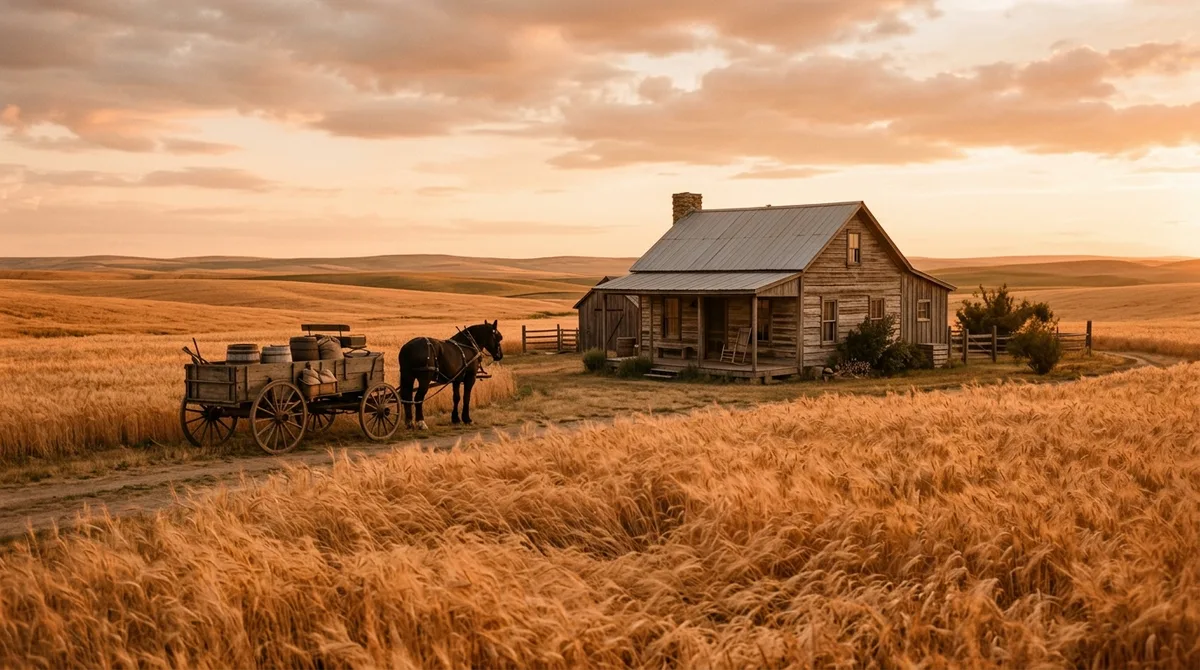
Netflix's Little House on the Prairie debuted July 9, 2026 — 52 years after Michael Landon's original 1974 series. Created by Rebecca Sonnenshine (known for her work on The Boys), the new version adapts the third book in Laura Ingalls Wilder's series and has already been renewed for a second season ahead of its first-season premiere.
The Cast
| Character | Actor |
|---|---|
| Charles Ingalls | Luke Bracey |
| Caroline Ingalls | Crosby Fitzgerald |
| Mary Ingalls | Skywalker Hughes |
| Laura Ingalls | Alice Halsey |
The series also features a cameo from original show veteran Alison Arngrim, who played Nellie Oleson in the 1970s version — a direct nod connecting the two adaptations.
What's Actually Different This Time
Sonnenshine, who has said she read the Little House books "100 times" as a child, set out to reconcile her affection for the source material with a more historically accurate account of frontier life. The new series is set in 1869 on the Osage Diminished Reserve in Kansas — a real historical setting that becomes the catalyst for the show's biggest departures from the source books.
The stated goal was to move past the "rugged American individualism" myth the original series is often associated with, instead showing that survival on the frontier depended heavily on community and cooperation, including with Indigenous communities the Ingalls family encountered — a dimension largely absent from the 1970s version.
How It Compares to the Original
- Tone: The 1974 series leaned into warm, episodic "comfort food" storytelling. The 2026 version is described as grittier and more somber.
- Historical framing: The reboot foregrounds the specific historical reality of settling on land within the Osage Diminished Reserve, rather than treating the setting as a generic frontier backdrop.
- Format: Netflix has released it as a straight series rather than the loosely episodic format of the original, allowing more serialized storytelling.
Reception So Far
Early coverage has generally described the reboot as a respectful but pointed reimagining — one that keeps the family-centered heart of the original while being far more direct about the harder realities of westward expansion. With a season 2 renewal already confirmed, Netflix appears confident the approach is resonating with both nostalgic viewers and newcomers.
What's Different From the Original
- Tone: the 1974 series leaned into warm, episodic comfort. The 2026 version is grittier and more historically grounded.
- Historical framing: the reboot foregrounds the specific reality of settling on the Osage Diminished Reserve in 1869 Kansas, including the Ingalls family's encounters with Indigenous communities — a dimension largely absent from the original.
- Format: released as a serialized Netflix series rather than the loosely episodic 1970s structure.
The Creative Vision
Showrunner Rebecca Sonnenshine, known for The Boys, has said she read the Little House books "100 times" as a child and set out to reconcile that affection with a more honest account of frontier life. The stated goal was to move past the "rugged individualism" myth and show that survival depended on community and cooperation. The series adapts the third book in Laura Ingalls Wilder's series.
Reception and Renewal
Netflix renewed the show for a second season ahead of its first-season debut, and early coverage has generally described it as a respectful but pointed reimagining — one that keeps the family-centered heart of the original while being far more direct about the harder realities of westward expansion. A cameo from original-series veteran Alison Arngrim (Nellie Oleson) directly links the two adaptations.
Frequently Asked Questions
Who is in the Little House on the Prairie 2026 cast?
Luke Bracey plays Charles Ingalls, Crosby Fitzgerald plays Caroline, Skywalker Hughes plays Mary, and Alice Halsey plays Laura.
When did the Little House reboot premiere?
Netflix's Little House on the Prairie debuted July 9, 2026, and was renewed for a second season before its first-season premiere.
How is the reboot different from the original?
It is grittier and more historically accurate, foregrounding the 1869 Osage Diminished Reserve setting and the family's encounters with Indigenous communities.