Decarbonizing Residential Thermal Systems
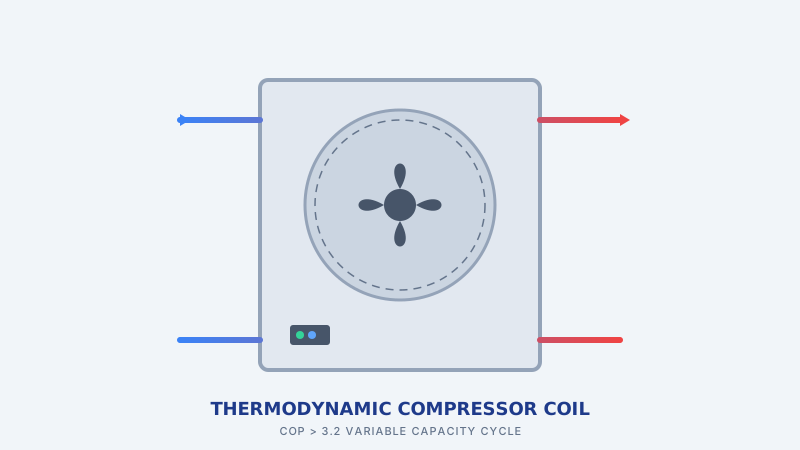
Modern HVAC heat pumps represent a critical step toward residential electrification. Unlike conventional combustion furnaces that generate heat, heat pumps transfer thermal energy using a closed refrigerant cycle, achieving thermodynamic efficiencies often exceeding 300% even in sub-freezing temperatures.
Key Architectural Types
Homeowners must evaluate two main configurations depending on structural constraints and climate zones:
- Air-Source Heat Pumps: The most common option, capturing heat from ambient outdoor air and transferring it indoors. Modern variable-capacity compressors adapt to heating demands dynamically, preventing the efficiency drops associated with older single-stage systems.
- Geothermal (Ground-Source) Heat Pumps: Utilizing a loop buried in the earth where temperatures remain stable year-round. While installation costs are higher, the long-term energy savings and stability are unmatched.
Installation and Ducting Inspections
Before installing a heat pump system, a comprehensive heat load calculation (Manual J) is required. An oversized or undersized unit leads to short-cycling, which degrades system life and spikes power bills. Additionally, ductwork integrity must be verified to ensure proper air flow volume across the coils.